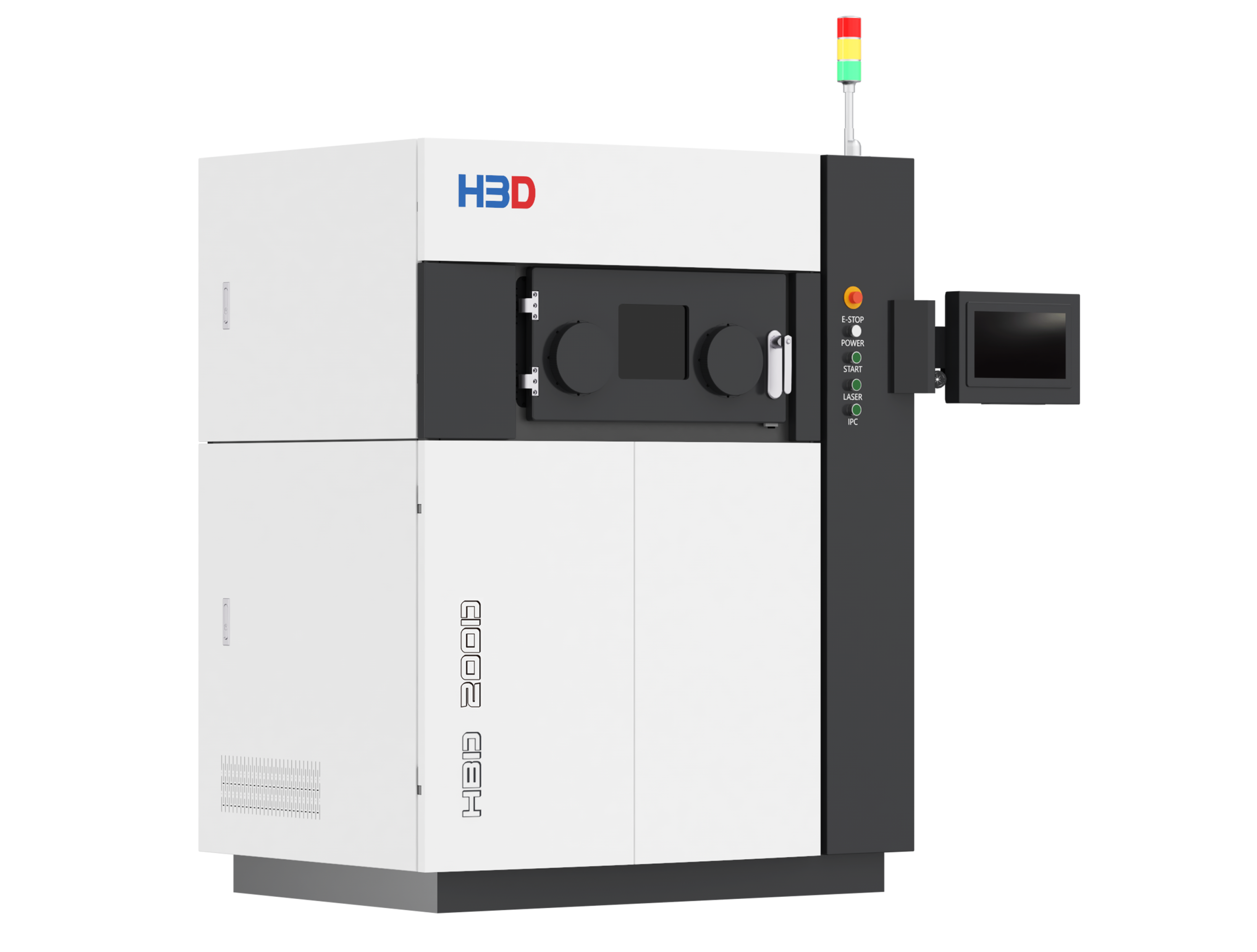
Overcoming conventional limits to turn extreme performance concepts into reality.
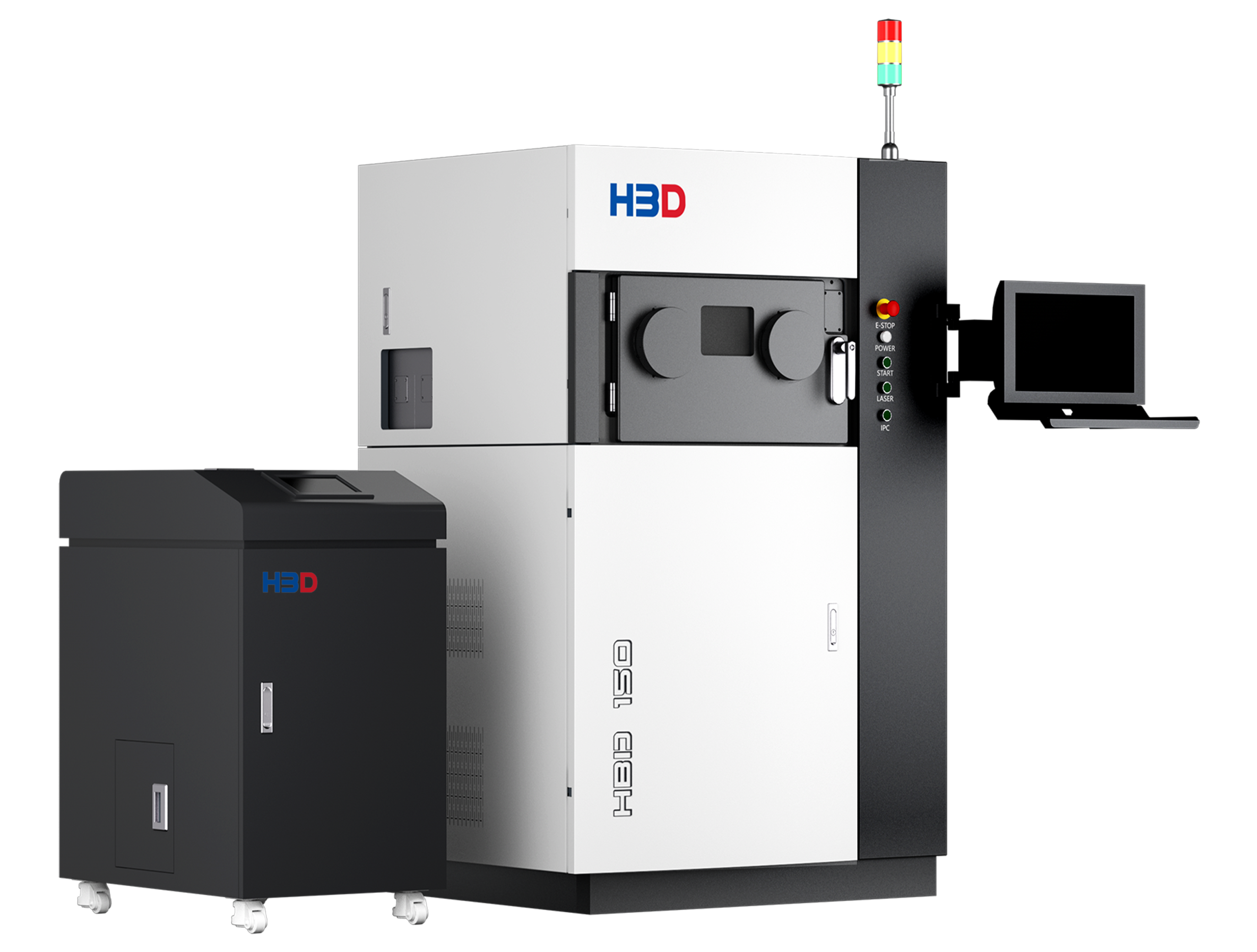
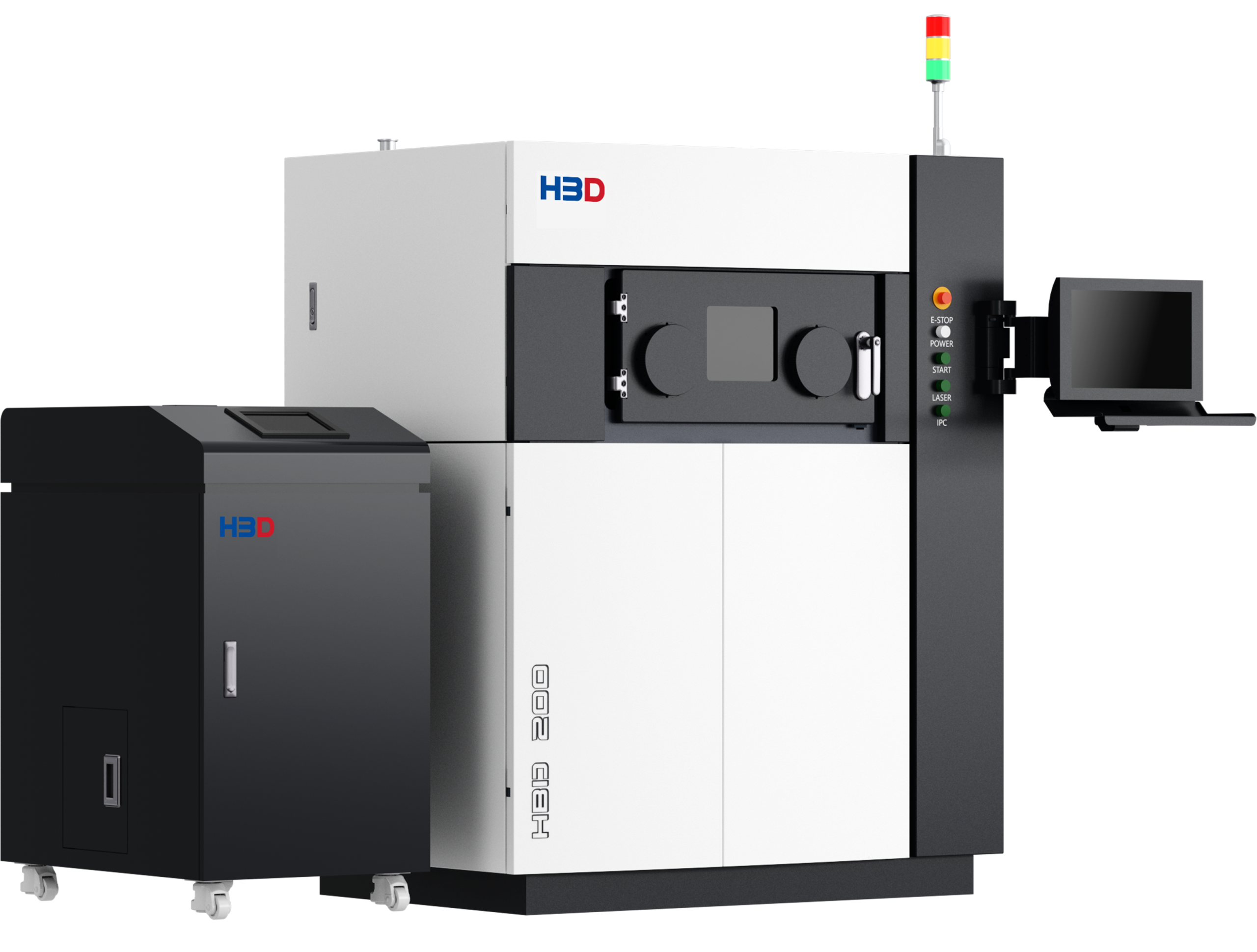
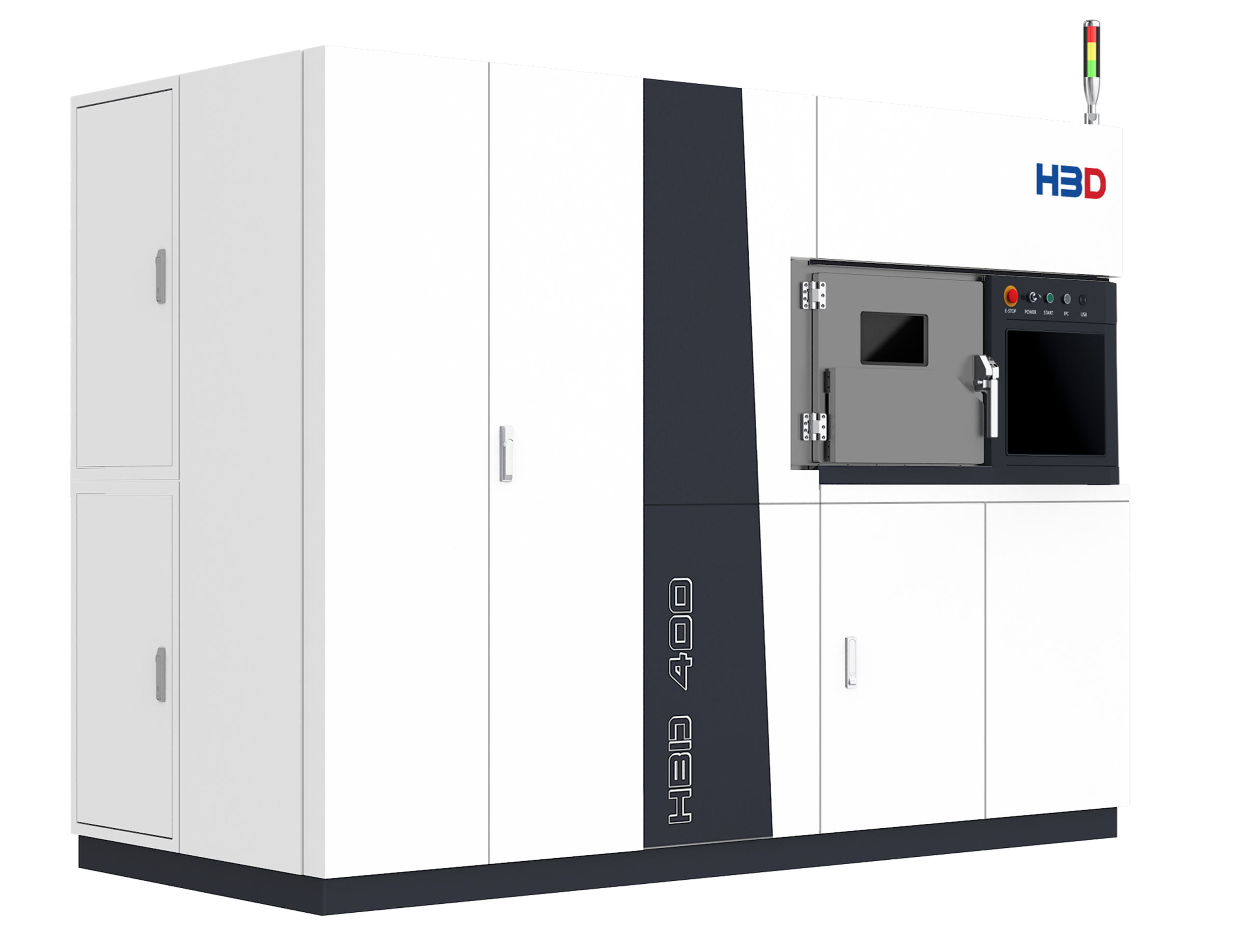
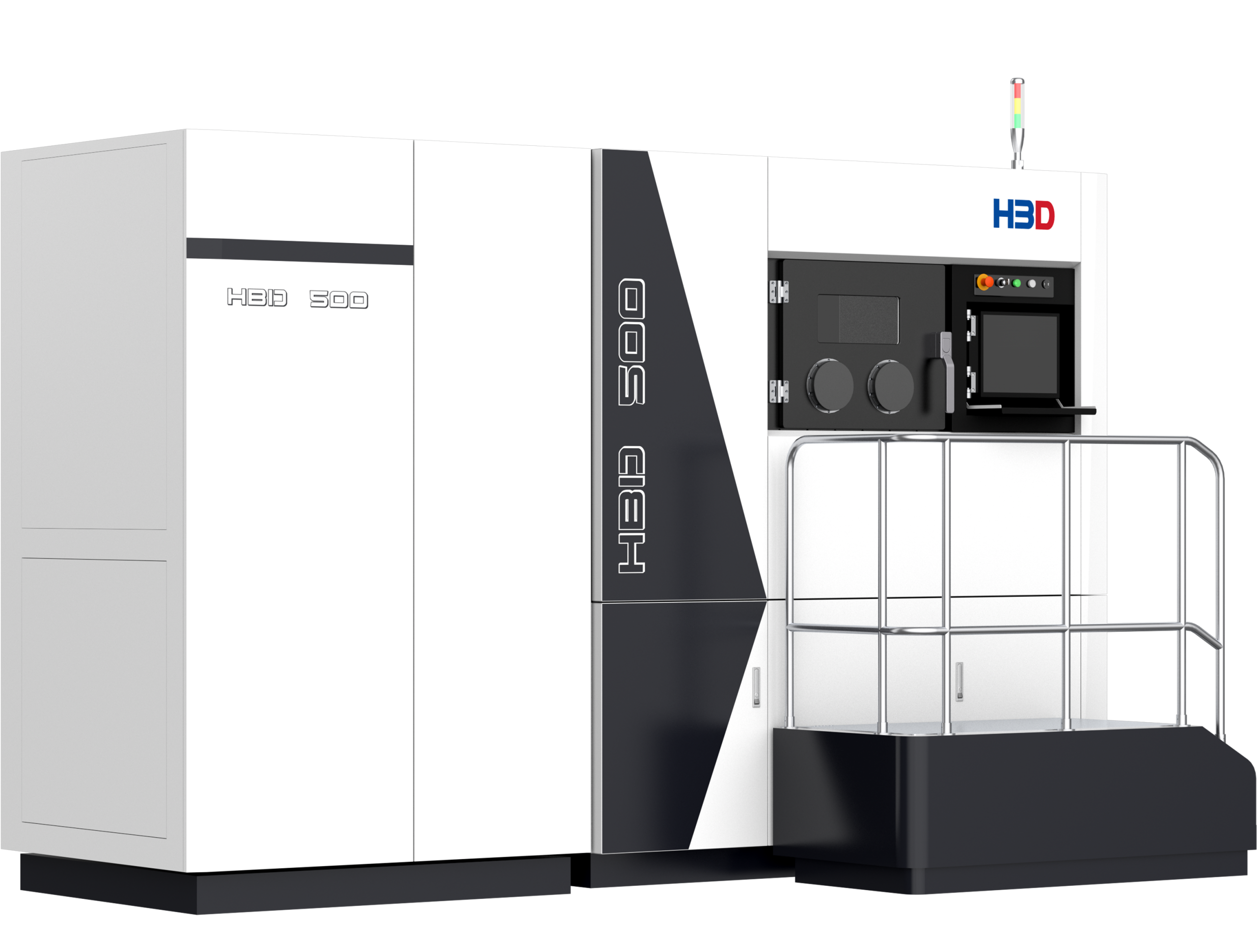
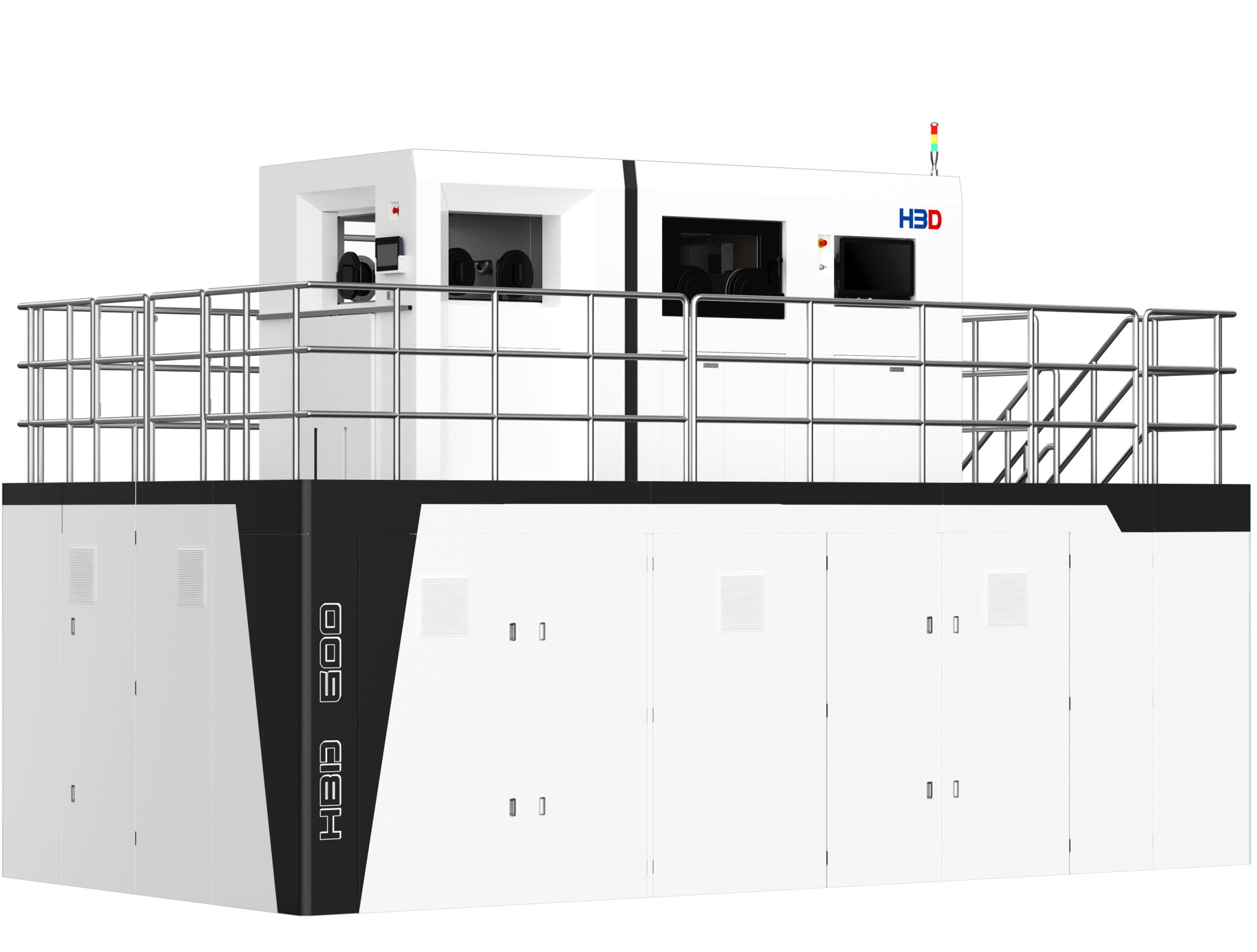
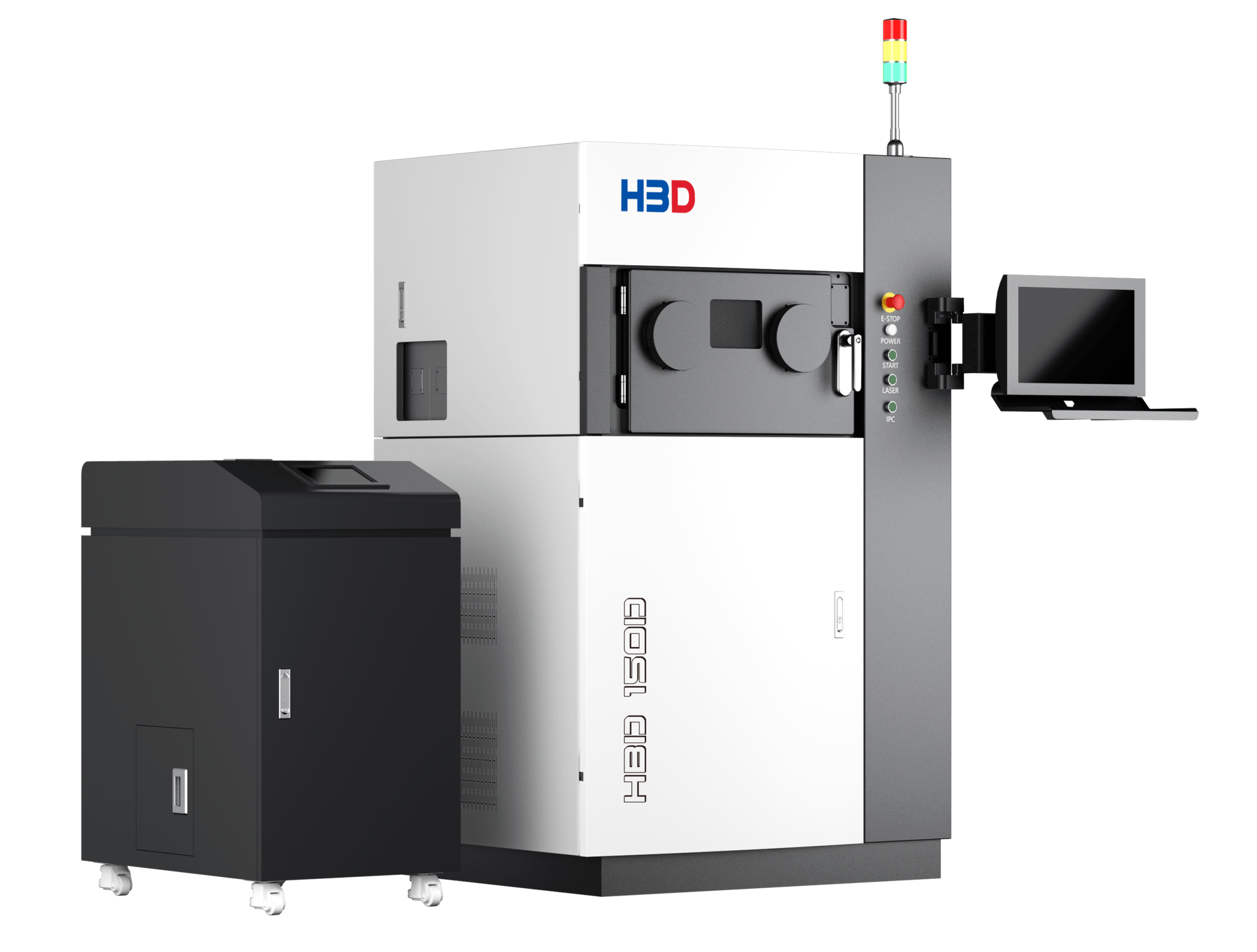
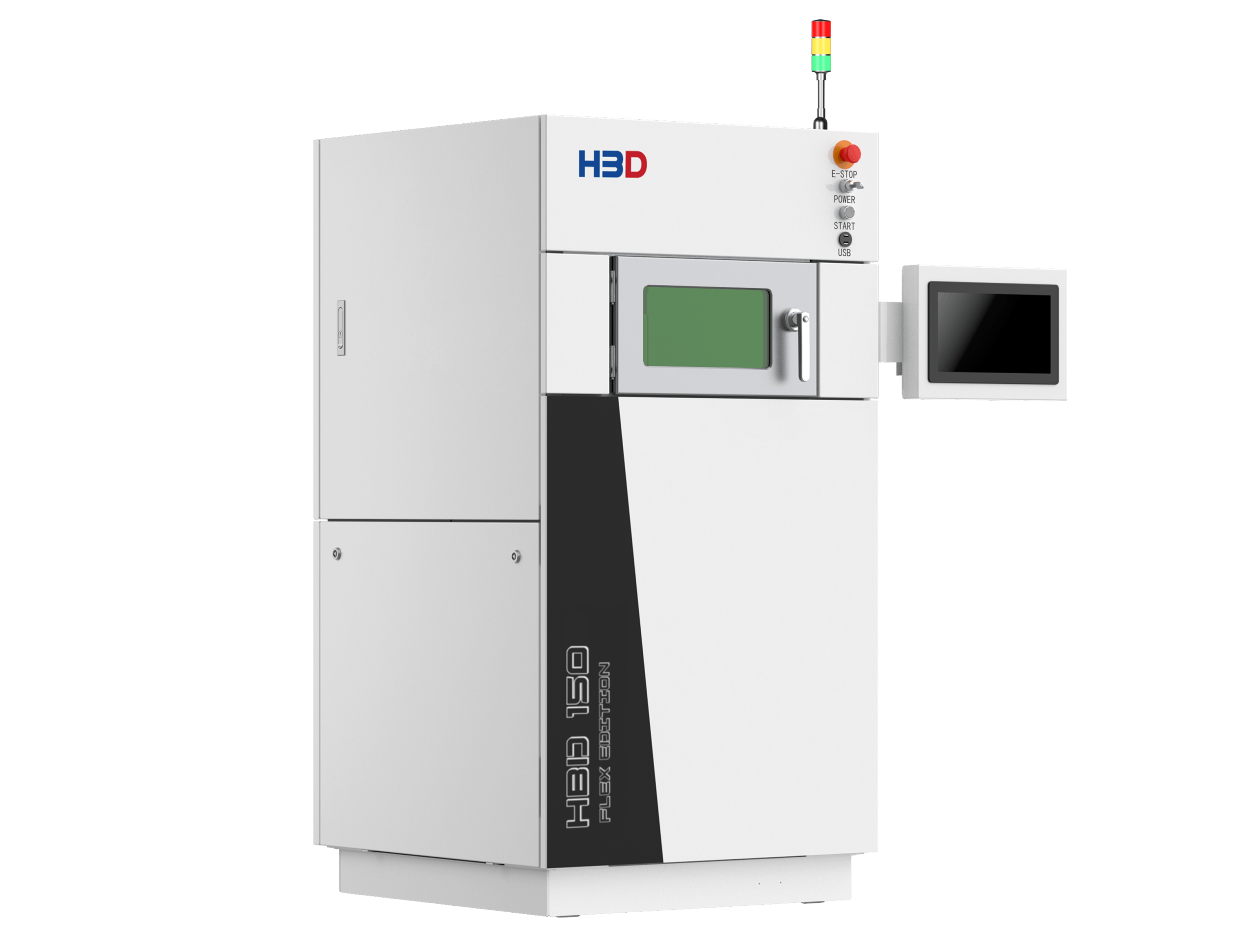
In high-performance automotive tuning and motorsports, exhaust efficiency directly determines how much engine potential can be unlocked. Recently, HBD collaborated with Italian industrial 3D printing specialist Robiot srl to successfully manufacture a high-performance exhaust downpipe using metal Laser Powder Bed Fusion (LPBF) technology for extreme performance applications.
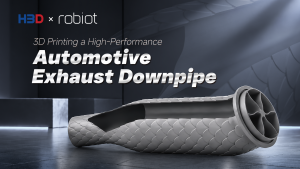
A Technical Collaboration to Overcome Engineering Challenges
The downpipe connects the turbocharger outlet to the exhaust system, optimizing exhaust gas velocity to boost engine performance, turbo response, and sound. Robiot, an expert in industrial 3D printing, worked alongside HBD to provide technical support throughout the development process, from design optimization to printing, transforming an ambitious engineering concept into a physical component.
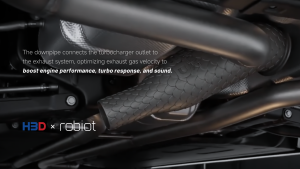
Case Focus: The High-Performance Downpipe
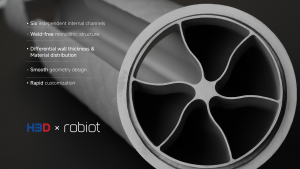
Designed for harsh operating conditions, the part features six independent internal exhaust channels. This complex geometry aims to maximize fluid control and ensure stability even in extreme temperatures and thermal cycling. For components constantly under mechanical vibration, thermal management and structural reliability are core considerations in design.
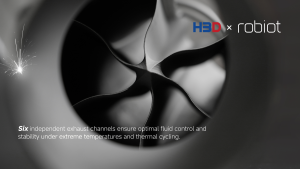
Limitations of Traditional Methods, Solutions with Additive Manufacturing
Traditional exhaust manufacturing relies on pipe bending and welding, which can create seams and geometric discontinuities. These disrupt gas flow, and welds are prone to fatigue under long-term high-temperature thermal cycling. Metal 3D printing enables smooth flow paths and monolithic construction, effectively reducing the risk of structural discontinuities from welds. More importantly, it offers breakthrough design freedom—making the project’s core feature of “six independent internal exhaust channels” achievable, which is extremely difficult with conventional methods.
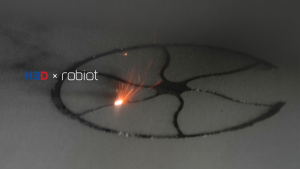
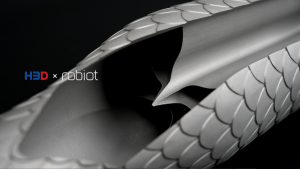
Key Design Highlights of This Component:
- Six independent internal channels: Highly complex inner cavities integrated into a single solid part for precise exhaust flow control.
- Weld-free monolithic structure: Reduces structural weak points, contributing to improved reliability under extreme thermal cycling and vibration.
- Differential wall thickness & material distribution: Optimized based on local thermal and mechanical stress to balance strength and lightweighting.
- Smooth geometry design: Internal flow paths feature smooth transitions to reduce turbulence and resistance, optimizing turbo response and exhaust sound.
- Rapid customization: No dedicated tooling required, flexibly adapting to exclusive geometry development for high-performance and racing sectors.
From Concept to Vehicle: Advancing Automotive Applications
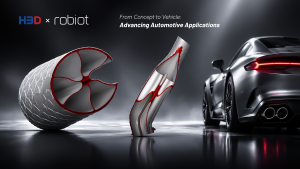
Through this collaboration, HBD and Robiot explored the potential of metal additive manufacturing in the automotive sector. By combining advanced equipment capabilities with industrial 3D printing expertise, the two companies demonstrate how metal 3D printing can transform extreme performance requirements into viable engineering solutions, unlocking new possibilities for high-performance automotive development.

 English
 Spanish
 French
 German
 Japanese
 Korean
 Italian