HBD has achieved technological breakthroughs in metal additive manufacturing for complex orthopedic implants such as tibial trays and femoral components. By employing techniques that ensure high precision and customization, HBD enhances the manufacturing possibilities for orthopedic implants. These innovations have proven their value in orthopedic implant production, showcasing HBD’s strength in delivering complex, high-precision solutions.
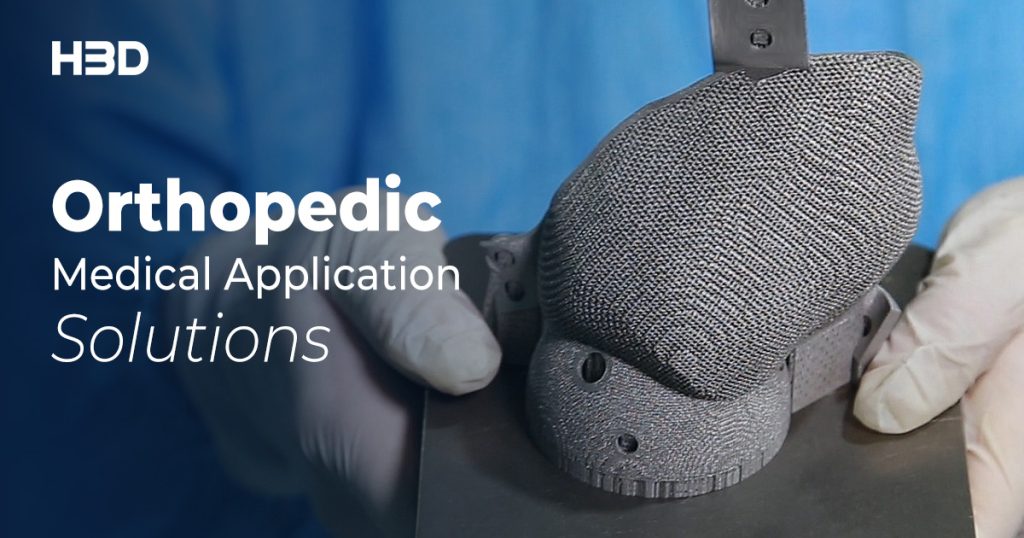
With these innovations, HBD is driving a shift in orthopedic implant production, effectively addressing three long-standing challenges of traditional manufacturing methods:
- High material wastage and costs, with conventional machining achieving only 30-40% material utilization.
- Prolonged delivery cycles, typically spanning 6–8 weeks due to multi-stage milling and post-processing.
- Inconsistent product quality stemming from manual polishing and welding, with defect rates as high as 5–8%.

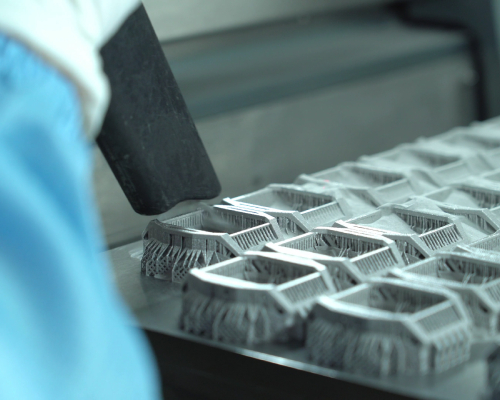
Acetabular cup stacked-printing by HBD 400 (photo credits: HBD)
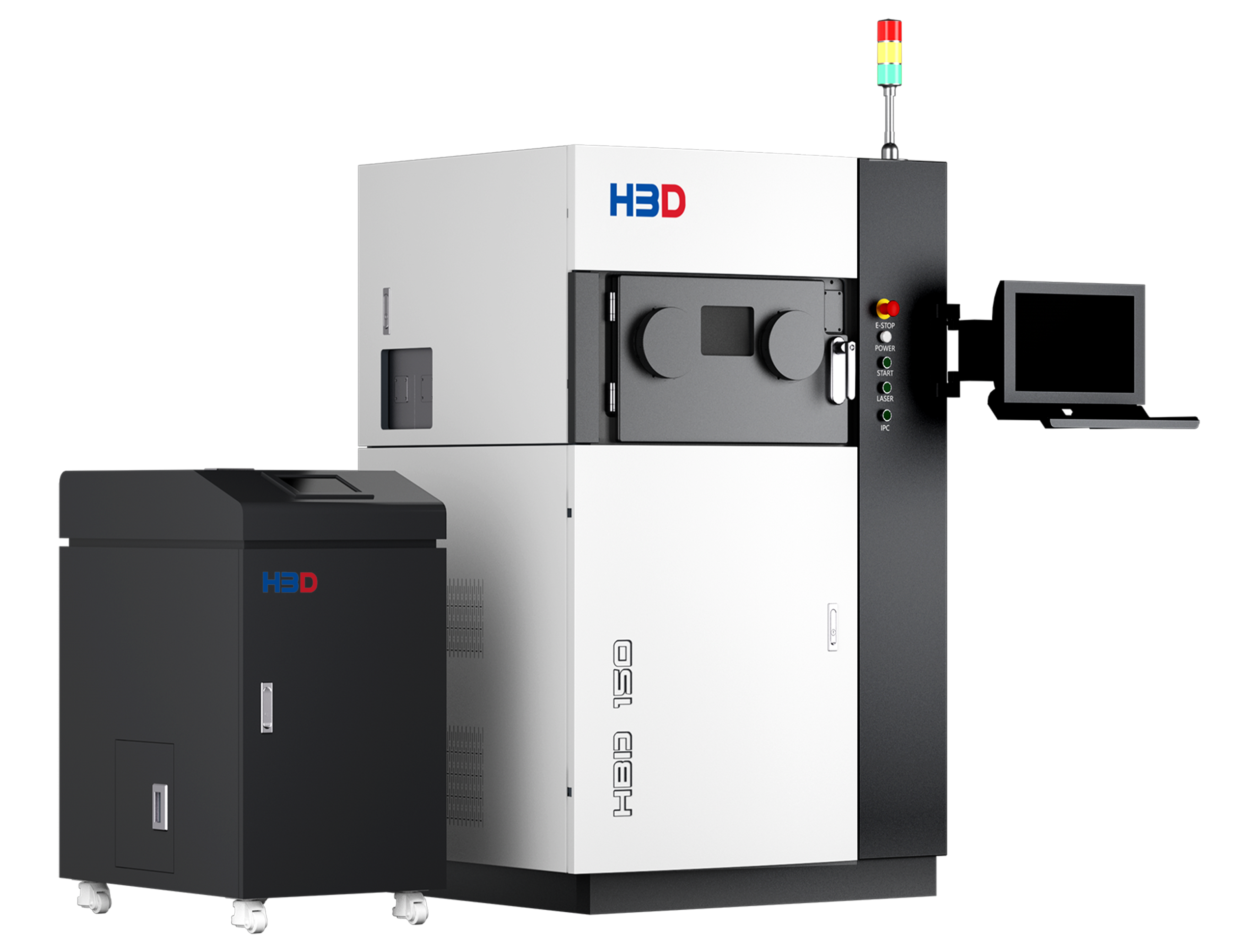
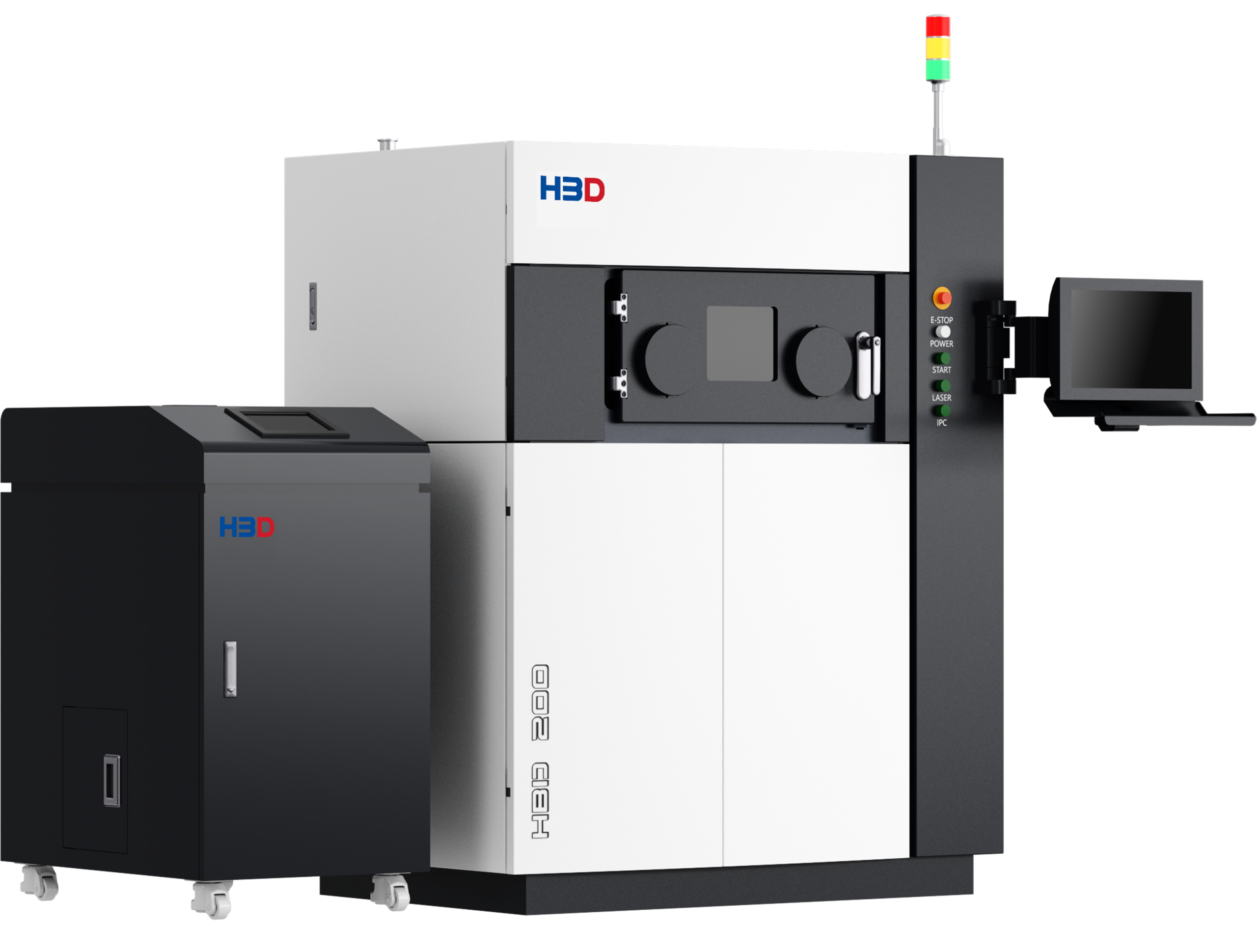
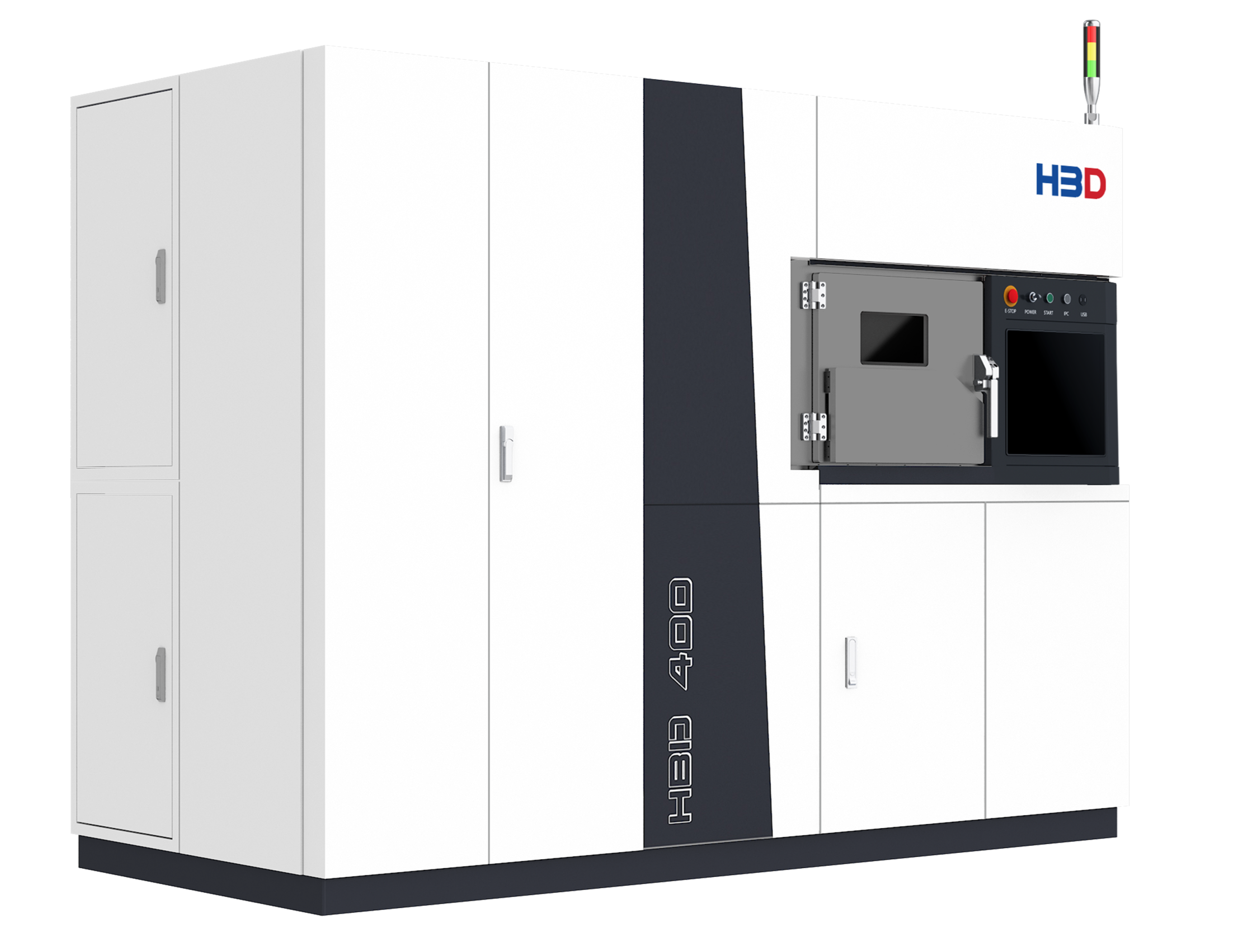
HBD’s metal 3D printing technology is now being used for precise manufacturing of orthopedic implants, including talar and radial prostheses. Utilizing medical-grade TC4 titanium alloy, these implants offer excellent biocompatibility (non-toxic and non-immunogenic). Additionally, the bionic porous lattice structures (with pore sizes ranging from 0.5–1mm) provide both mechanical stability and effective biological integration with the bone. The talar prosthesis was printed on the HBD 150 system in approximately 5 hours with a 30μm layer thickness, while the radial prosthesis was fabricated using the HBD 200 system over 9 hours, maintaining the same precision layer thickness. Both implants demonstrate HBD’s strong capability in the production of complex, patient-specific implants, significantly reducing production time while enhancing product performance. Furthermore, with the HBD 350 and HBD 400 systems, HBD can handle even larger batch productions for orthopedic components without compromising precision or quality.

The radial prosthesis model (photo credits: HBD)
In clinical practice, HBD’s technology has been applied to complex reconstructive surgeries. A notable case involved collaboration with South China University of Technology and Guangzhou First People’s Hospital to develop a customized 3D-printed titanium hip spacer for a patient with developmental hip dysplasia. By leveraging CT imaging and patient-specific anatomical data, a porous structure tailored to the patient’s bone geometry was produced, ensuring precise fit, promoting bone regeneration, and achieving post-operative symmetry and stability.

Acetabular cup and fusion cage with build plate (photo credits: HBD)
Through these technological advancements and successful clinical applications, HBD is shaping the future of orthopedic implant production by offering more efficient, precise, and cost-effective solutions tailored to the unique needs of each patient. To learn more about our latest technical innovations and explore customized solutions, please contact us at info@hb3dp.com.


 English
  Spanish
  French
  German
  Japanese
  Korean
  Italian